May 16, 1966 -
The Beach Boy released the 11th studio album, Pet Sounds on this date.
It has since been recognized as one of the most influential albums in the history of popular music and is widely regarded as one of the best albums of the 1960s.
All that beautiful music and barking dogs, too.
Monday, May 16, 2011

Sunday, May 8, 2011
Remember one of your favorite parental units
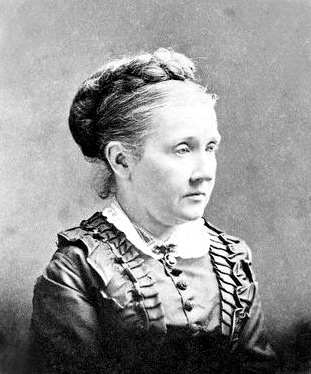
The United States celebrates Mother's Day on the second Sunday in May. In the United States, Mother's Day was loosely inspired by the British day and was imported by social activist Julia Ward Howe after the American Civil War. However, it was intended as a call to unite women against war. In 1870, she wrote the Mother's Day Proclamation as a call for peace and disarmament. Howe failed in her attempt to get formal recognition of a Mother's Day for Peace. Her idea was influenced by Ann Jarvis, a young Appalachian homemaker who, starting in 1858, had attempted to improve sanitation through what she called Mothers' Work Days. She organized women throughout the Civil War to work for better sanitary conditions for both sides, and in 1868 she began work to reconcile Union and Confederate neighbors.
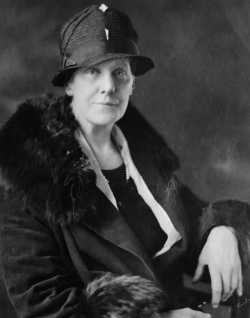
When Jarvis died in 1907, her daughter, named Anna Jarvis, started the crusade to found a memorial day for women. The first such Mother's Day was celebrated in Grafton, West Virginia, on May 10, 1908, in the church where the elder Ann Jarvis had taught Sunday School. Originally the Andrews Methodist Episcopal Church, this building is now the International Mother's Day Shrine (a National Historic Landmark). From there, the custom caught on — spreading eventually to 45 states. The holiday was declared officially by some states beginning in 1912. In 1914 President Woodrow Wilson declared the first national Mother's Day, as a day for American citizens to show the flag in honor of those mothers whose sons had died in war.
Nine years after the first official Mother's Day, commercialization of the U.S. holiday became so rampant that Anna Jarvis herself became a major opponent of what the holiday had become. Mother's Day continues to this day to be one of the most commercially successful U.S. occasions. According to the National Restaurant Association, Mother's Day is now the most popular day of the year to dine out at a restaurant in the United States.
So now you know.
Happy Mother's Day to all of you who thought about your children to the detriment of your own mental health. I hope a mediocre Mother's Day brunch can help negate 364 days of smug indifference of your children.
When Jarvis died in 1907, her daughter, named Anna Jarvis, started the crusade to found a memorial day for women. The first such Mother's Day was celebrated in Grafton, West Virginia, on May 10, 1908, in the church where the elder Ann Jarvis had taught Sunday School. Originally the Andrews Methodist Episcopal Church, this building is now the International Mother's Day Shrine (a National Historic Landmark). From there, the custom caught on — spreading eventually to 45 states. The holiday was declared officially by some states beginning in 1912. In 1914 President Woodrow Wilson declared the first national Mother's Day, as a day for American citizens to show the flag in honor of those mothers whose sons had died in war.
Nine years after the first official Mother's Day, commercialization of the U.S. holiday became so rampant that Anna Jarvis herself became a major opponent of what the holiday had become. Mother's Day continues to this day to be one of the most commercially successful U.S. occasions. According to the National Restaurant Association, Mother's Day is now the most popular day of the year to dine out at a restaurant in the United States.
So now you know.
Happy Mother's Day to all of you who thought about your children to the detriment of your own mental health. I hope a mediocre Mother's Day brunch can help negate 364 days of smug indifference of your children.
Tuesday, May 3, 2011
There was a land of Cavaliers and Cotton Fields called the Old South ...
May 3, 1937 -
A short little southern lady wrote a novel for her own amusement, and with solid support from her husband, she kept her literary efforts a secret from all her friends. She would hide the voluminous pages under towels, disguising them as a divan, or hide pages in her closets or under her bed. She wrote in a haphazard fashion, writing the last chapter first, and skipping around from chapter to chapter.
 In a nutshell, her novel was about a young woman who spend nearly 400 pages chasing after a man that she realizes in the end that she never really loved and (possibly) loses the man that she really does.
Her heroine also, in less than 10 years:
Marries three men; one dies from the measles, sends another one to his death and the third rapes her in a fit of jealous rage.
Has three children (one dies in a horseback riding accident) and one miscarriage.
Kills a man in self defense.
Helps with an amputation in a makeshift hospital.
Narrowly escapes the destruction of her adopted hometown.
Loses then regains her family's fortune.
Loses almost all of her family by the novels end.
And she still retains an optimistic view on life.
Oh yeah, all of this is played out on the backdrop of slavery, The Civil War, the fall of the South, Reconstruction, the rise of the KKK and a certain dress made from the living room curtains. (You thought Russian novels were convoluted.)
It was a great surprise to Ms. Mitchell that on June 30, 1936 when her voluminous novel was published. Even more shocking, on May 3, 1937, Margaret Mitchell won the Pulitzer Prize for Gone With the Wind.
... After all, tomorrow is another day!
A short little southern lady wrote a novel for her own amusement, and with solid support from her husband, she kept her literary efforts a secret from all her friends. She would hide the voluminous pages under towels, disguising them as a divan, or hide pages in her closets or under her bed. She wrote in a haphazard fashion, writing the last chapter first, and skipping around from chapter to chapter.
 In a nutshell, her novel was about a young woman who spend nearly 400 pages chasing after a man that she realizes in the end that she never really loved and (possibly) loses the man that she really does.
Her heroine also, in less than 10 years:
Marries three men; one dies from the measles, sends another one to his death and the third rapes her in a fit of jealous rage.
Has three children (one dies in a horseback riding accident) and one miscarriage.
Kills a man in self defense.
Helps with an amputation in a makeshift hospital.
Narrowly escapes the destruction of her adopted hometown.
Loses then regains her family's fortune.
Loses almost all of her family by the novels end.
And she still retains an optimistic view on life.
Oh yeah, all of this is played out on the backdrop of slavery, The Civil War, the fall of the South, Reconstruction, the rise of the KKK and a certain dress made from the living room curtains. (You thought Russian novels were convoluted.)
It was a great surprise to Ms. Mitchell that on June 30, 1936 when her voluminous novel was published. Even more shocking, on May 3, 1937, Margaret Mitchell won the Pulitzer Prize for Gone With the Wind.
... After all, tomorrow is another day!
Sunday, May 1, 2011
May is National Salad Month
You may not have known it, but in the United States May is National Salad Month. By an astonishing coincidence, the second full week of May is National Herb Week. It's a time to celebrate the verdure of the earth with verdure on a plate. Or in a bowl—salad is just that versatile!
Salad has a long and noble history. The word itself comes from the Latin herba salta, which sounds like urban assault but actually means salted herbs. They called their salads salted herbs because that's what they were: bits of leafy herbs dressed with salty oils.
The Romans weren't the first people to enjoy salad. Though it's hard to imagine, people were eating herbs and vegetables long before the invention of salad forks. Many of our evolutionary forebears ate leaves and veggies right off the plants, vines, and trees on which they grew. In fact, scientists believe our ancient grazing tendencies may explain the popularity of salad bars and our willingness to overlook the inadequacy of most sneeze guards.
The salad was not perfected, however, until the develop of Bac-O Bits®, a genetically altered bacon substitute whose artificial bacon flavor and resistance to radiation have made it a staple of American salads, to say nothing of its cult popularity as driveway gravel.
According to the Association for Dressings and Sauces, the altruistic sponsors of National Salad Month, salad dressings and sauces have a history as rich and varied as salad itself. The Chinese have been using soy sauce for over five thousand years, the Babylonians used oil and vinegar, and Worcestershire was popular in Caesar's day. (Ironically, however, the Caesar salad was not invented by Julius Caesar. It wasn't even invented by Sid Caesar. It was invented by Caesar Cardini, a Mexican restauranteur, in 1924.)
The Egyptians favored oil and vinegar mixed with Oriental spices. Mayonnaise was invented by the Duke de Richelieu in 1756 after defeating the British at Port Mahon on Majorca (hence "Mahonnaise," later corrected to mayonnaise). The Duke was best known not for his military victories, however, but his all-nude dinner parties. I'm not going to speculate as to how a bunch of naked people got the idea of covering their salads in a creamy sauce.
In 1896, Joe Marzetti of Columbus, Ohio, opened a restaurant and served his customers a variety of dressings developed from old country recipes. His restaurant might have done better if he had served them actual meals, but his dressings became so popular that he started to bottle and sell them.
It was the birth of a market niche.
Half a century later, in 1950, Americans bought 6.3 million gallons of salad dressing. In 1997, they bought more than 60 million gallons. (This information is indisputable, because it appears on the Association of Dressings and Sauces's website.)
Since the United States had a population of about 260 million in 1997, it looks like the average American buys about 4.3 gallons of salad dressing each year. That's enough to drip a tablespoon per mile from New York to Chicago. I myself don't buy salad dressing, which means that some poor bastard has to buy 8.6 gallons each year to make up the difference. But it all comes out in the wash: I'm probably drinking his gin.
It's informative to note, however, that the Association of Dressings and Sauces measures salad dressing sold, not consumed. We've all seen salad dressing in the final stages of decomposition, the once creamy sauce crusting around the edges and congealing in the bottom of the bottle. Added up nationwide, that's got to be a few million gallons a year.
So it's not like we're pigs or anything.
Salad has a long and noble history. The word itself comes from the Latin herba salta, which sounds like urban assault but actually means salted herbs. They called their salads salted herbs because that's what they were: bits of leafy herbs dressed with salty oils.
The Romans weren't the first people to enjoy salad. Though it's hard to imagine, people were eating herbs and vegetables long before the invention of salad forks. Many of our evolutionary forebears ate leaves and veggies right off the plants, vines, and trees on which they grew. In fact, scientists believe our ancient grazing tendencies may explain the popularity of salad bars and our willingness to overlook the inadequacy of most sneeze guards.
The salad was not perfected, however, until the develop of Bac-O Bits®, a genetically altered bacon substitute whose artificial bacon flavor and resistance to radiation have made it a staple of American salads, to say nothing of its cult popularity as driveway gravel.
According to the Association for Dressings and Sauces, the altruistic sponsors of National Salad Month, salad dressings and sauces have a history as rich and varied as salad itself. The Chinese have been using soy sauce for over five thousand years, the Babylonians used oil and vinegar, and Worcestershire was popular in Caesar's day. (Ironically, however, the Caesar salad was not invented by Julius Caesar. It wasn't even invented by Sid Caesar. It was invented by Caesar Cardini, a Mexican restauranteur, in 1924.)
The Egyptians favored oil and vinegar mixed with Oriental spices. Mayonnaise was invented by the Duke de Richelieu in 1756 after defeating the British at Port Mahon on Majorca (hence "Mahonnaise," later corrected to mayonnaise). The Duke was best known not for his military victories, however, but his all-nude dinner parties. I'm not going to speculate as to how a bunch of naked people got the idea of covering their salads in a creamy sauce.
In 1896, Joe Marzetti of Columbus, Ohio, opened a restaurant and served his customers a variety of dressings developed from old country recipes. His restaurant might have done better if he had served them actual meals, but his dressings became so popular that he started to bottle and sell them.
It was the birth of a market niche.
Half a century later, in 1950, Americans bought 6.3 million gallons of salad dressing. In 1997, they bought more than 60 million gallons. (This information is indisputable, because it appears on the Association of Dressings and Sauces's website.)
Since the United States had a population of about 260 million in 1997, it looks like the average American buys about 4.3 gallons of salad dressing each year. That's enough to drip a tablespoon per mile from New York to Chicago. I myself don't buy salad dressing, which means that some poor bastard has to buy 8.6 gallons each year to make up the difference. But it all comes out in the wash: I'm probably drinking his gin.
It's informative to note, however, that the Association of Dressings and Sauces measures salad dressing sold, not consumed. We've all seen salad dressing in the final stages of decomposition, the once creamy sauce crusting around the edges and congealing in the bottom of the bottle. Added up nationwide, that's got to be a few million gallons a year.
So it's not like we're pigs or anything.
Tuesday, April 26, 2011
If you have about 13 minute to kill
watch this - a great compilation video of the use of the The Wilhelm Scream in film -
The Wilhelm Scream is a popular stock scream used in countless films, tv shows, and video games. It was recorded in 1951 for the film, Distant Drums.
Enjoy
The Wilhelm Scream is a popular stock scream used in countless films, tv shows, and video games. It was recorded in 1951 for the film, Distant Drums.
Enjoy
Thursday, April 21, 2011
Confessions of a Fallen Altar boy
 I became an Altar boy because you got out of school early twice a week. You did have to do an early mass (7:00 AM) once a week but what the hell. The priest that ran the program was a frustrated football coach. We would have our weekly meeting and he would roll a blackboard out onto the altar and diagram what we were supposed to do.
He also told us that when at rest, we should keep our hands loosely clasped at our waist not at crotch level. "You boys do not have balls big enough to walk around holding them," he would warn us.
The duties of an altar boy are vast and complex. You had to set up before mass –you making sure there was water and wine and enough hosts ready for mass. If you ever wanted to have your little mind blown, open up the jumbo bag o' body of Christ and fill up the receptacle like so much cocktail peanuts.
Since these are not yet been consecrated you are permitted to handle them. But you had to guess how many parishioners would attend mass because the priest hated waste and if he didn't have mass later that day, he had to consume the remaining hosts (nothing worse that stale Eucharists). But God forbid you didn't have enough and you had to run back in to get some more – that got you a smack to the head.
Yes, priests were allowed to smack the altar boys around. The priest was holy and you were a snot nosed kid so if the priest hit you – you must have deserved it.
Then there was the issue of the holy wine. Each priest had his own special mixture of wine and water to create the sacrament. One priest liked sherry. Another liked white wine. The third like the traditional red wine. But monsignor liked his scotch, with just a splash of water for his `Blood o' Christ'.
"Boyo, don't be stingy with the scotch this morning, tis cold and you didn't pay for it," monsignor would hiss under his breath. "And not too much water. Christ wasn't anemic boyo."
Besides having to dole out the sacraments, Altar boys had to hold the bible for priest during mass. You had to mark the appropriate space for the daily mass and be prepared to open to that page when called upon to do so. Woe was you if you forgot to mark your place or didn't hold the book steady enough or close enough when the priest had a hangover and his sight was blurry. That got you a smack to the back of the head.
You also had to ring a special set of bells at a specific point in the mass. God forbid you rang them too enthusiastically (to get your friends attention) or worse, missed the cue and rang them too late. That got you another smack to the head.
You also had to lay out the correct vestments for the day's mass. The little old ladies, who were the handmaidens to priest, would tag them for you and you had to take them out of the garment bag. Sometimes the old ladies were running late or they forgot and you had to guess which garment. That could be you a boot in the ass for the wrong guess.
One of your main tasks was to play catcher for fallen hosts. For those of you who remember (or know), the priest had to place the body of Christ directly on the tongue of the receiver. The altar boy walks next to the priest, holding a small serving tray on a stick under the chin of the receiver, just in case, the priest dropped the Eucharist or it slipped from the receivers mouth. In that horrific case, the priest had to consume the host himself. Also if someone throws up right after receiving communion, the priest had to re-ingest the pre-digested communion wafer. (Yes, you know where we're going with this.)
Altar boys would practice the secret art of flicking the tray, so they could force their friends to spit up the host and watch the priest have to eat the pre-moistened host. But you had to do this, without the priest catching you – it meant instant dismissal from the ranks of altar boydom. Yes, I got one or two of my friends in the throat and never go caught.
Now we come up to the another important function of the altar boy – towel boy. At the end of communion, the priest cleans his hands and finishes the wine (Blood O' Christ) in the chalice.
The altar boy's job is to pour water for the priest as he rinses his fingers of the Crumbs O' Christ into the chalice and then offer him a hand towel before he finishes off his holy drink. Unlike the attendants in washrooms, no tips were offered for your services. It was just, `hurry it up, we're not washing my dick here' or `Not too much, that was the good sherry you poured today. I'm going to kill you when we get back into the sacristy'.
At this point, mass was nearly over and if you were lucky so was your torture. Either you had the beatings hanging over your head or you know you could make a quick get away. Once mass was over, you have to stow away the various items that were used during mass and hang up the priest's vestments. If you weren't in trouble or one of the little old ladies were there – you could make a mad dash by to school or to home. If you did something wrong or the priest was already deep into his cups – there could be hell to pay.
You'd hope for the quick smack to the back of the head. You could get the slow torture of thumbs against the wall. Place you hands straight in front of you then step back about a foot. Then lean against the wall with just your thumbs while the priest busied himself around the altar and sacristy after mass.
Have a good Holy Thursday
Saturday, April 9, 2011




Subscribe to:
Posts (Atom)